EasyGreen
A rewards app that makes sustainable shopping the easy choice — a student UX project for UN SDG 12. We know you care; we make it easier.
- Role
- UX Research, Prototyping & Branding
- For
- Student project · University of Edinburgh
- When
- 2021
Overview
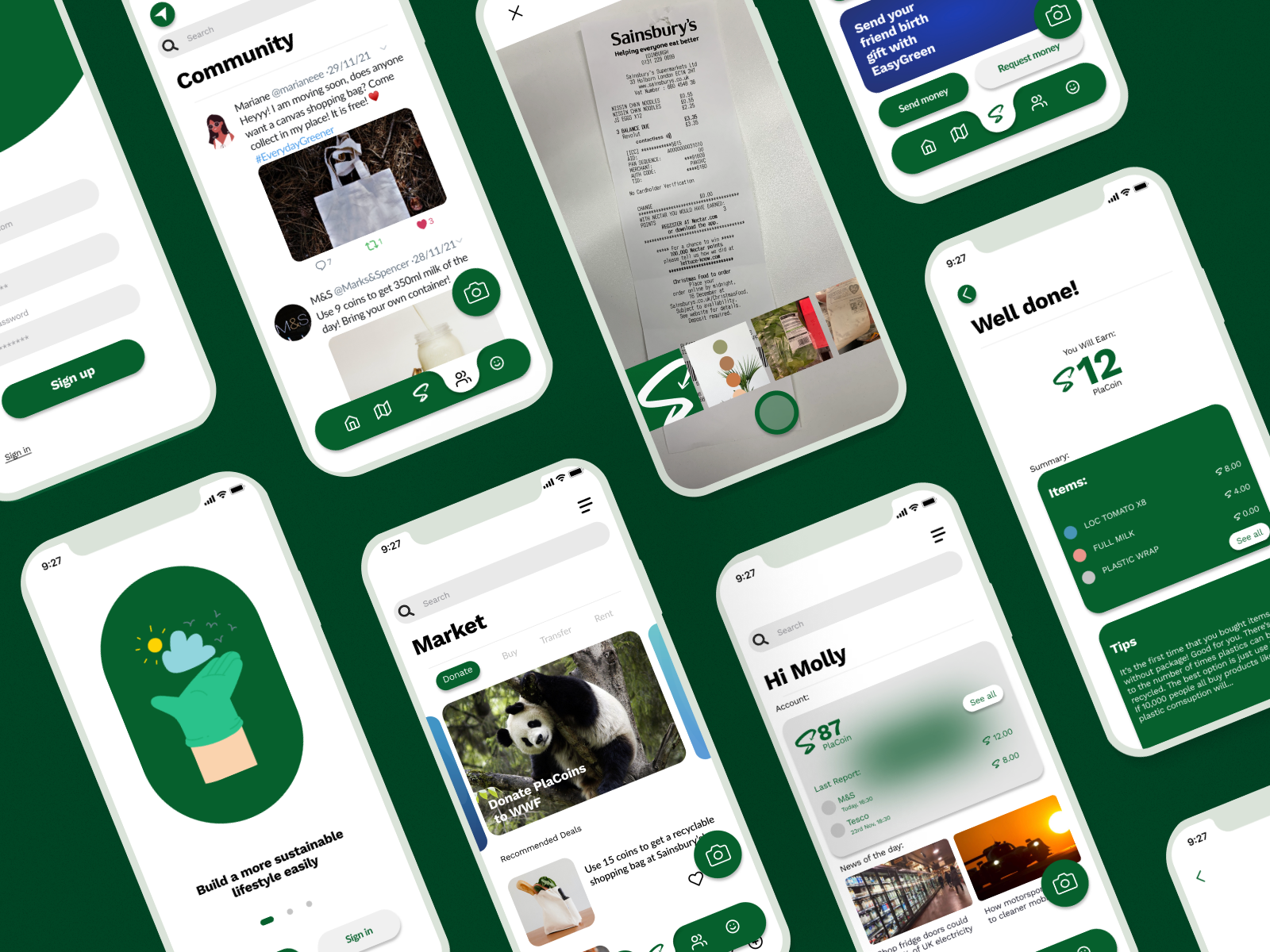
EasyGreen is a student UX project for UN SDG 12 — responsible consumption and production. A rewards app that makes the greener choice the easy choice.
With the UK among the largest producers of plastic waste, EasyGreen set out to motivate everyday people toward more sustainable consumption.
Team — Julia Hong, Haili Wu, Rong Jin, Chenhao Luo.
My contributions — user research, prototype design, branding (the app name and slogan), and video production.
End-users — fellow Design Informatics students at UoE.
The challenge
Despite growing environmental concern, many people don't prioritise sustainability day-to-day — convenience and price usually win over eco-friendliness. Our goal was to understand that paradox and design something that makes the sustainable choice easier and more appealing.
Research & empathy
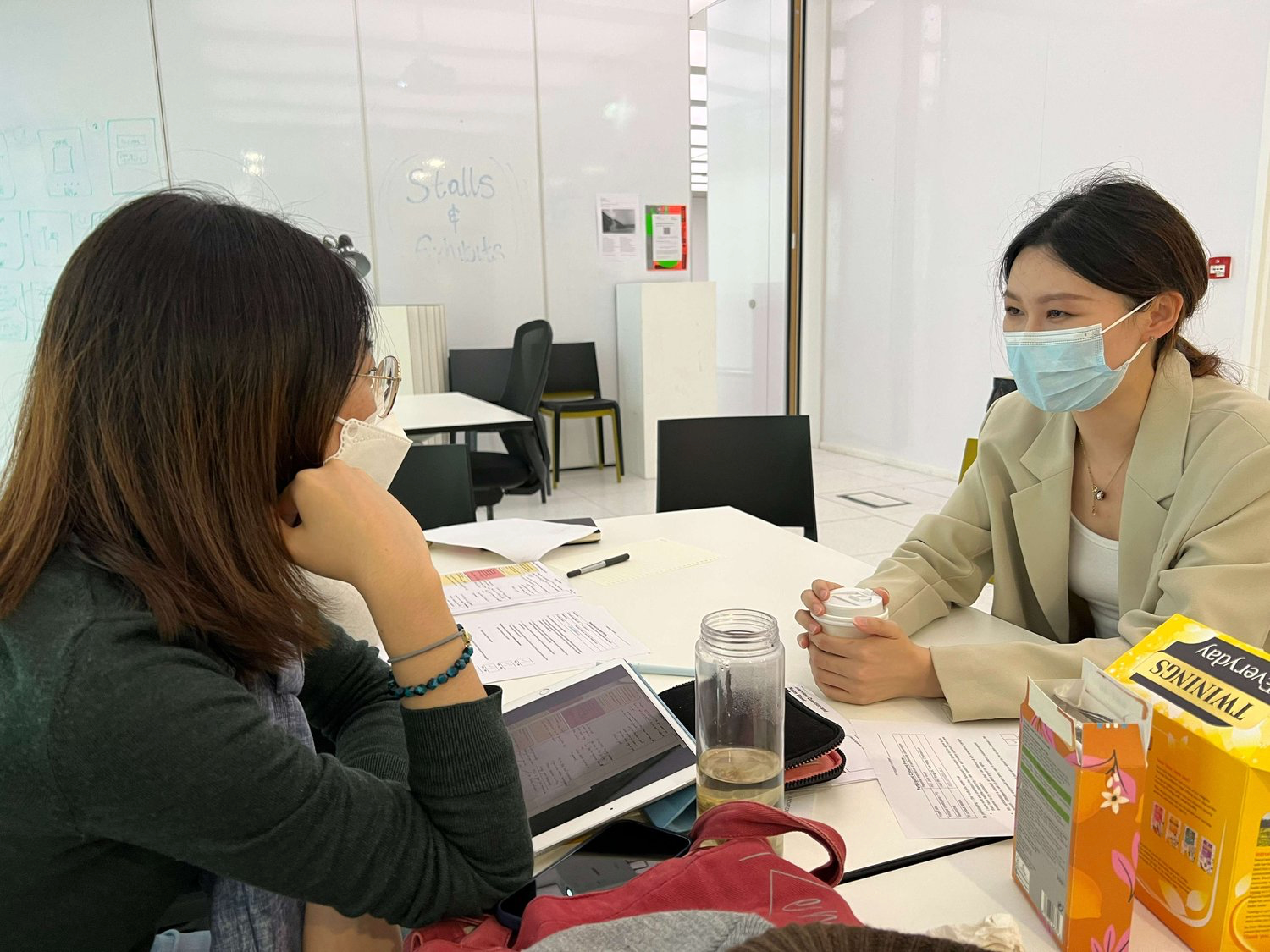
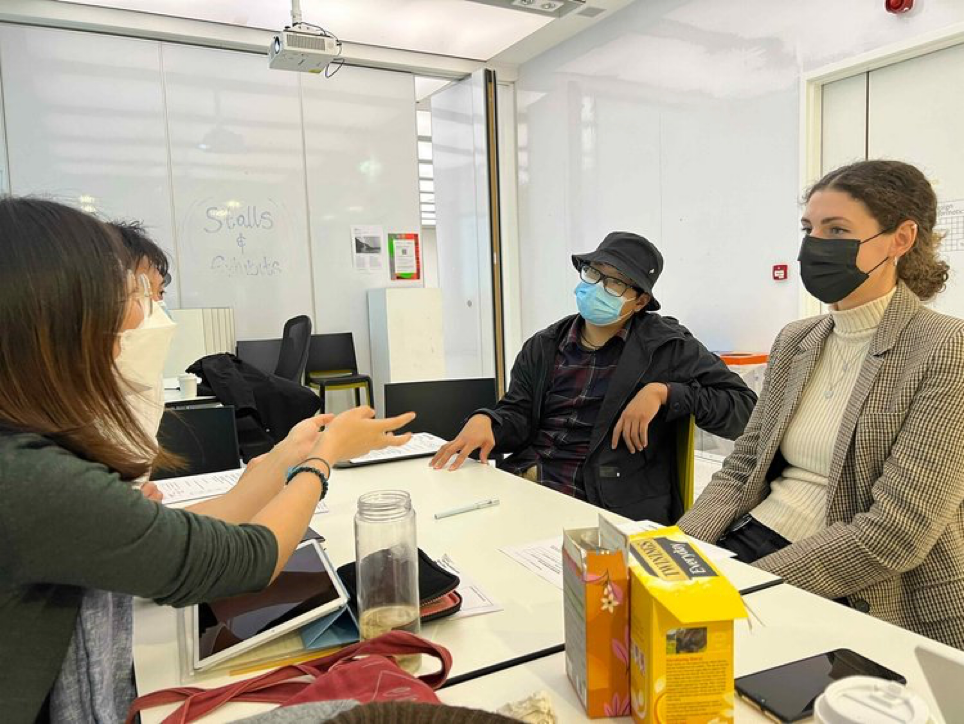
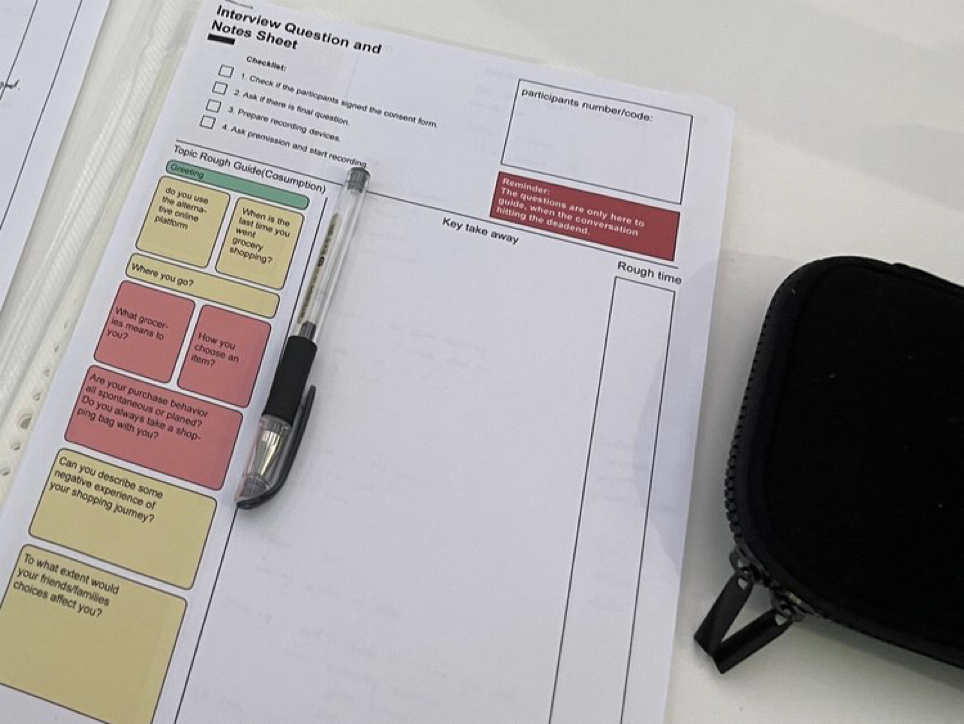
We ran extensive field research — individual and group interviews with ten participants — to understand shopping experiences, waste-management behaviours, and the motivations behind people's lifestyle choices.
Key findings
- 💷 Price and convenience often trump sustainability in consumer choices.
- 🌎 People feel little personal responsibility for plastic pollution.
- 🤔 The desire to be sustainable exists — but is overshadowed by convenience and scepticism about individual impact.
Cultural probes & personas
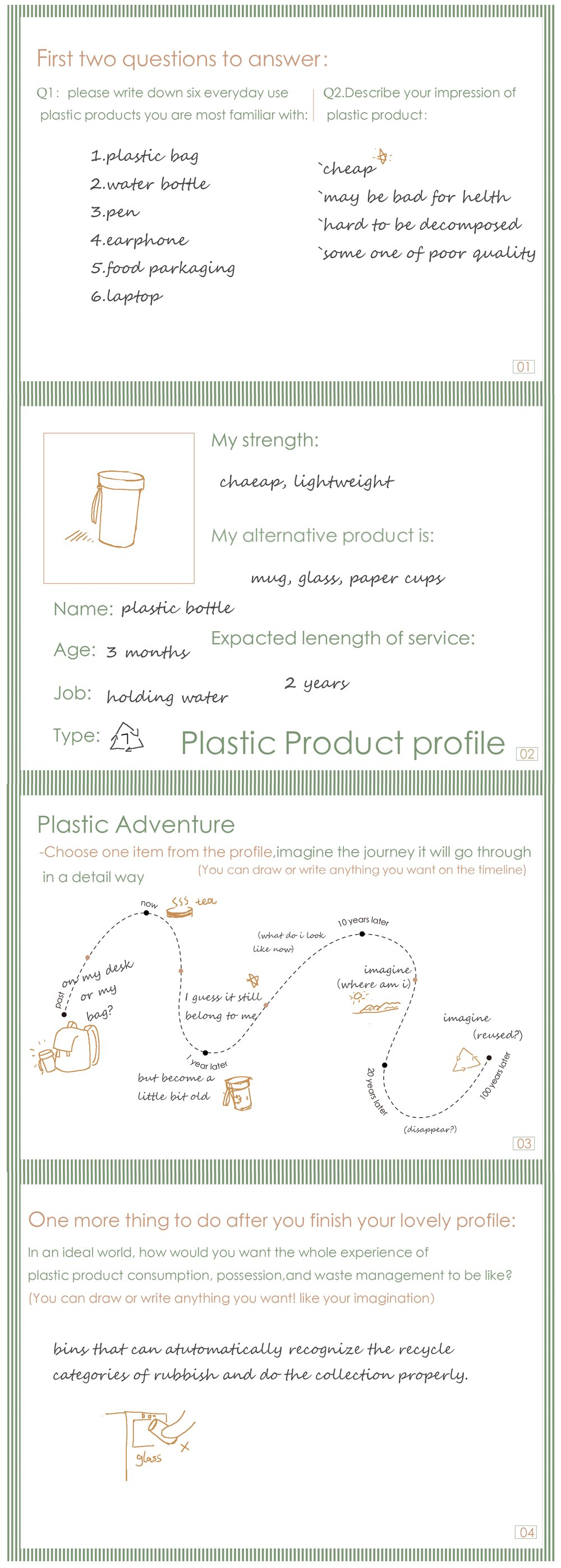
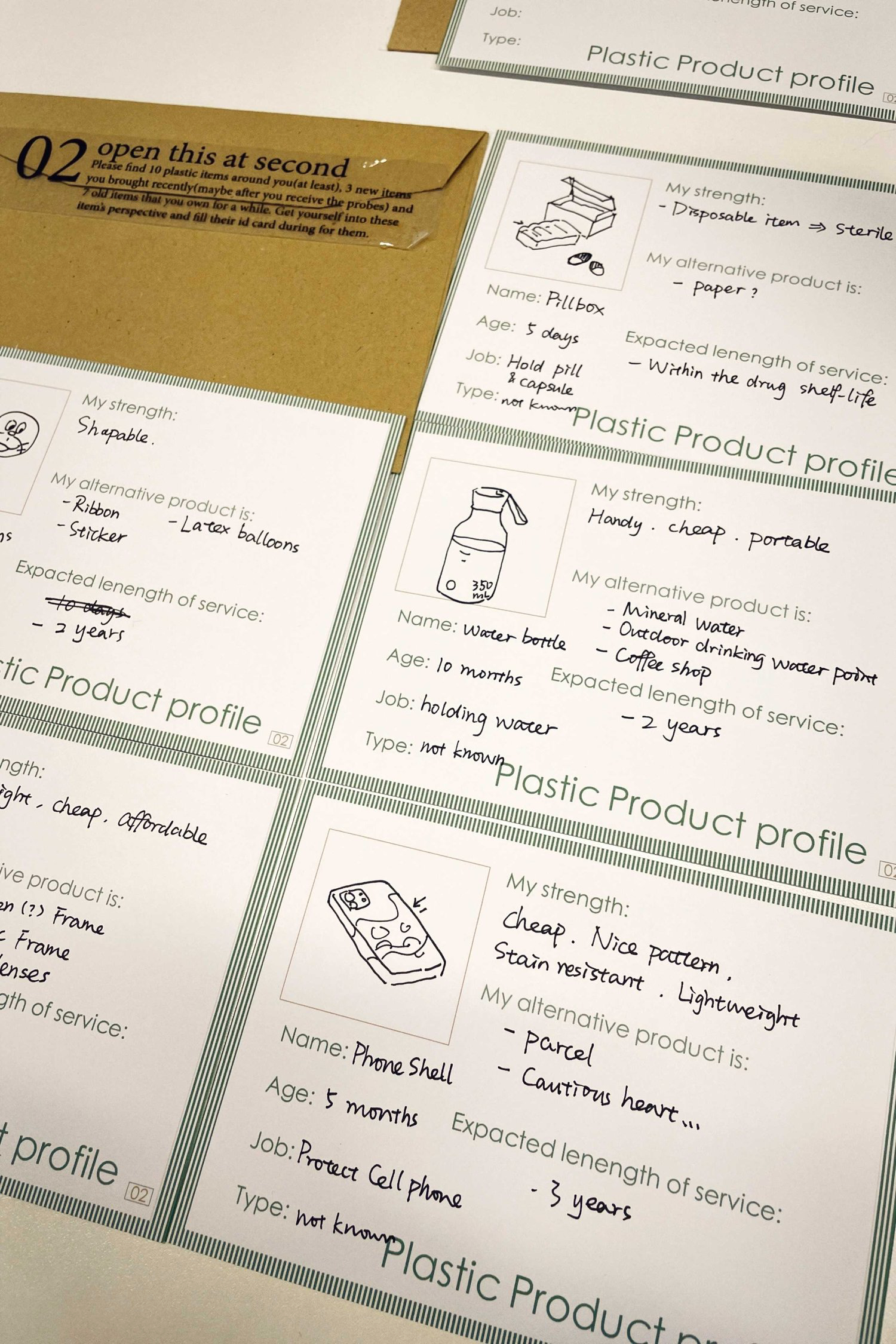
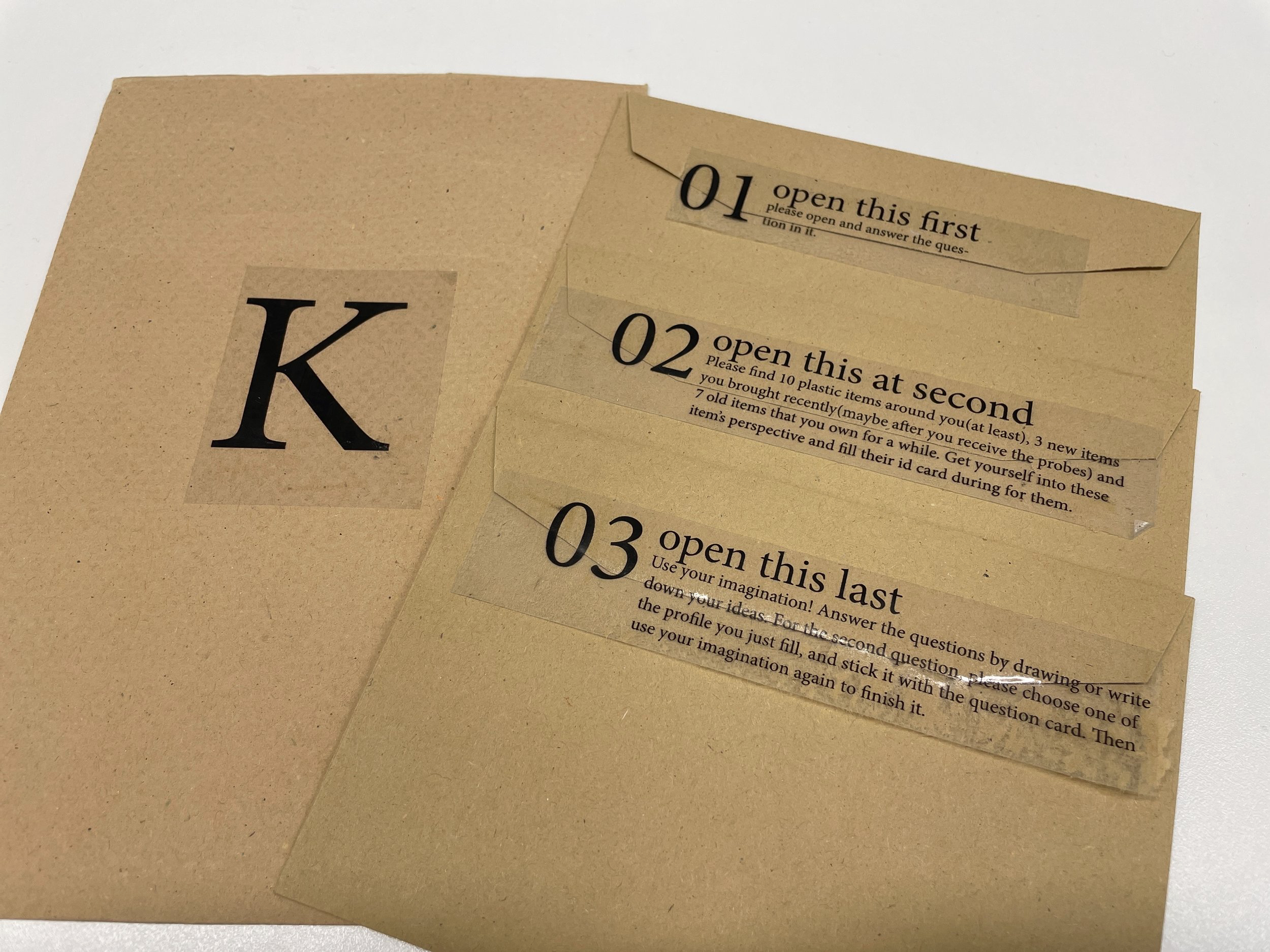
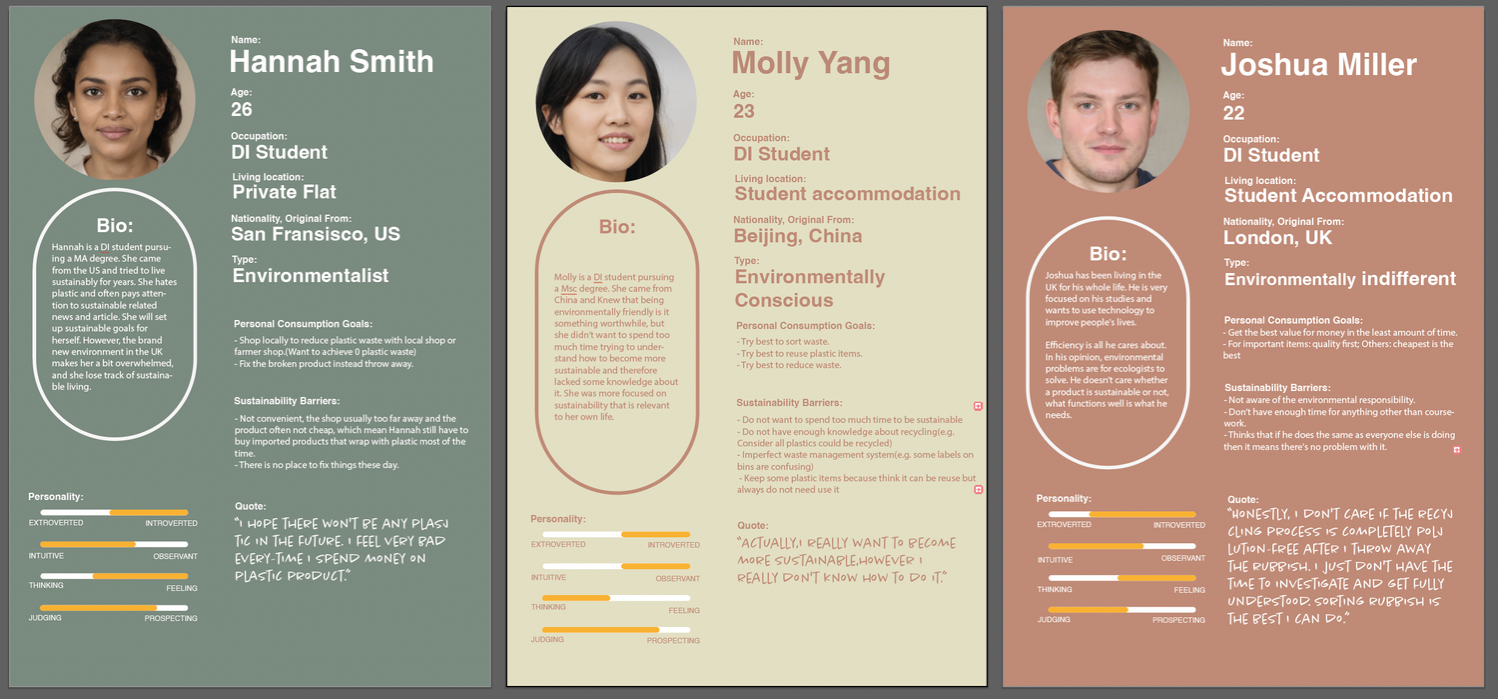
Using cultural probes, we went deeper into users' values and beliefs — which led to three personas. Molly became our primary target: aware of environmental issues, but not yet actively engaged in addressing them.
Ideation & concept
EasyGreen emerged as a digital nudge for sustainable consumption. The app uses a digital currency — earned by scanning shopping receipts — to reward eco-friendly choices, with ways to donate to charity, buy sustainable products, and join a community.
Prototyping & testing
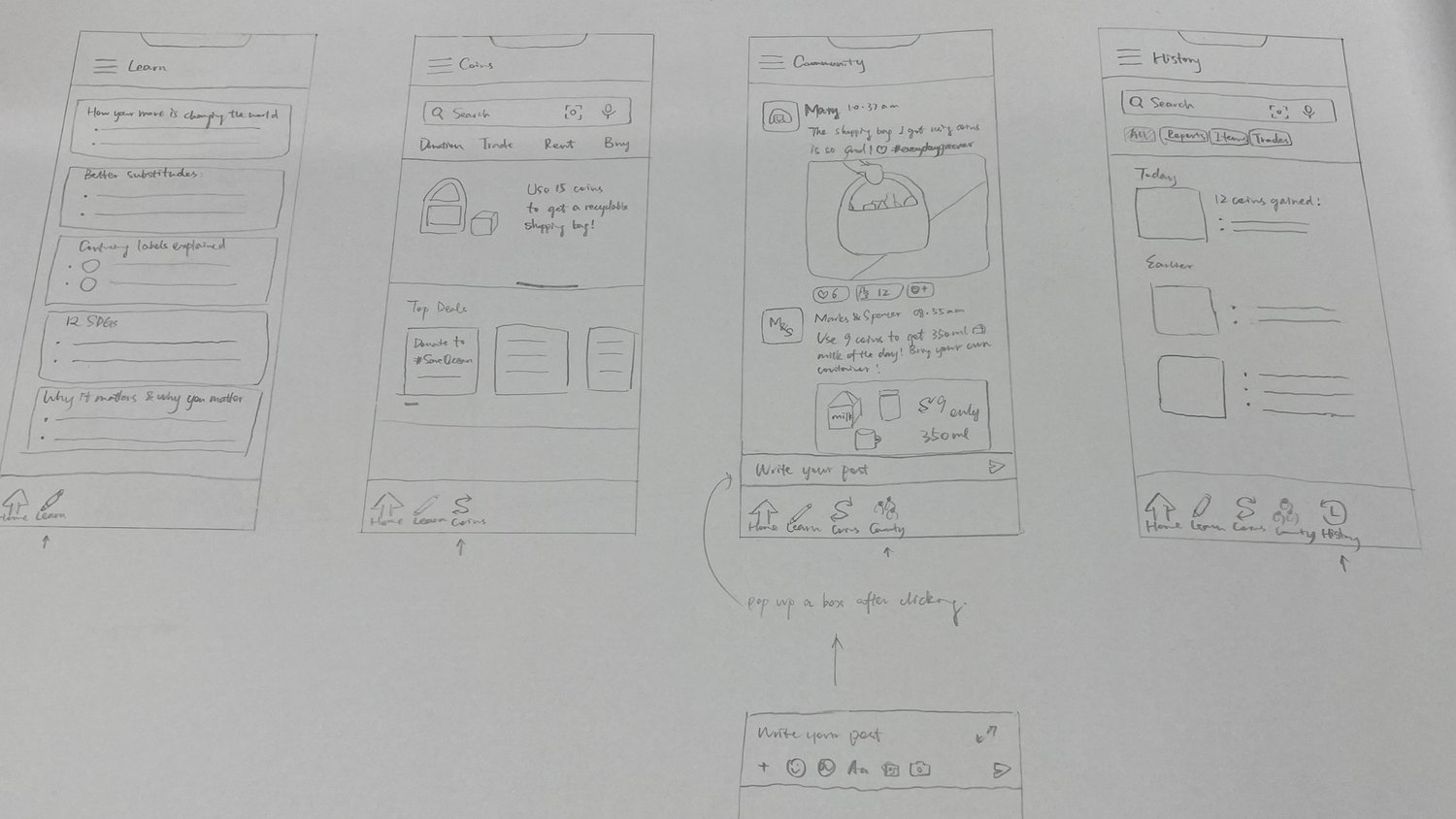
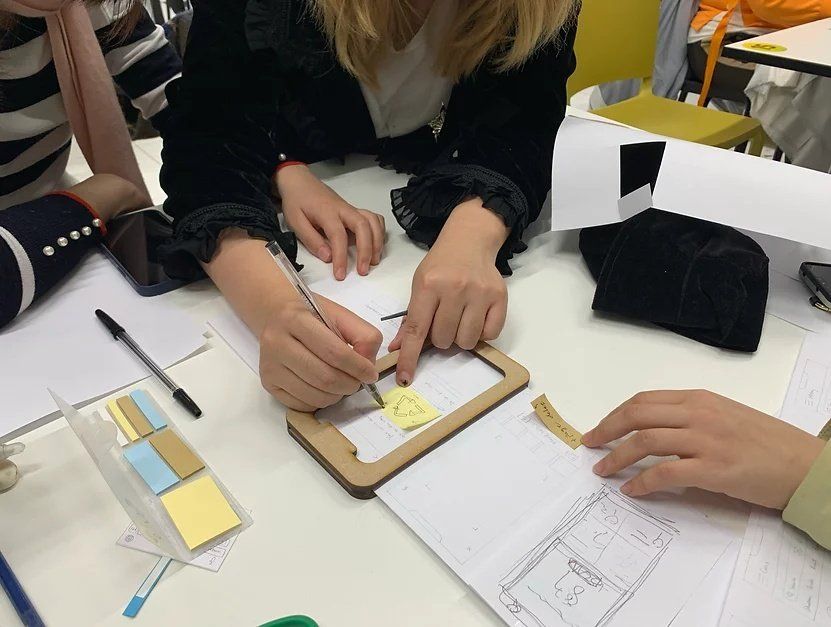
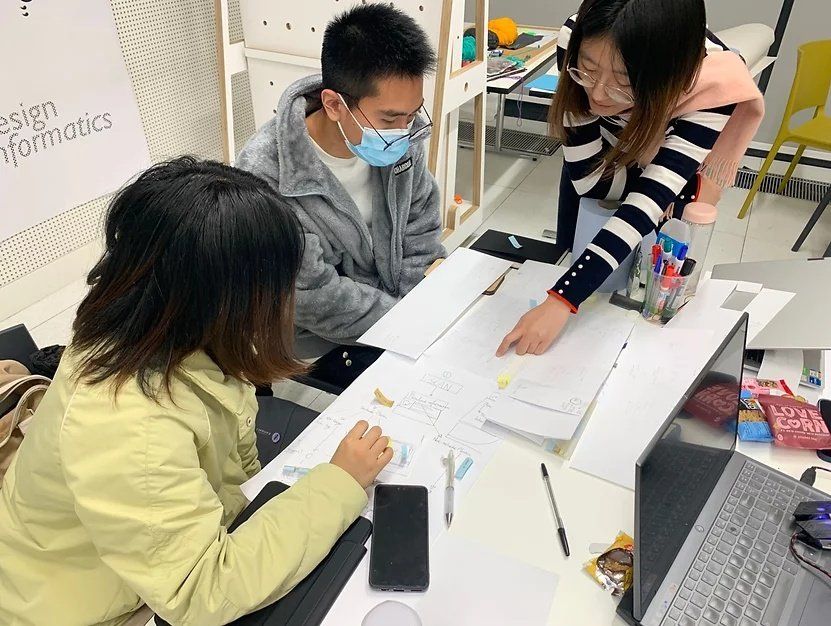
We built from paper to high-fidelity, iterating each round on user feedback.
- 1Paper prototype — a low-fidelity pass to surface major issues early.
- 2Digital prototype — richer testing that drove real improvements to UX, information architecture, and UI.
What testing changed
- Simplified navigation by reducing the number of tab bars.
- Added personal history reports and wish lists to profiles for better accessibility.
- Refined the digital-currency system to boost engagement and reward sustainable choices.
Final design
The final design is a streamlined, friendly interface: Molly scans her shopping receipts, earns digital coins, and is rewarded for eco-friendly decisions — a positive loop of behaviour change.
“We know you care, we make it easier.”
— EasyGreen — slogan
Storyboard & impact
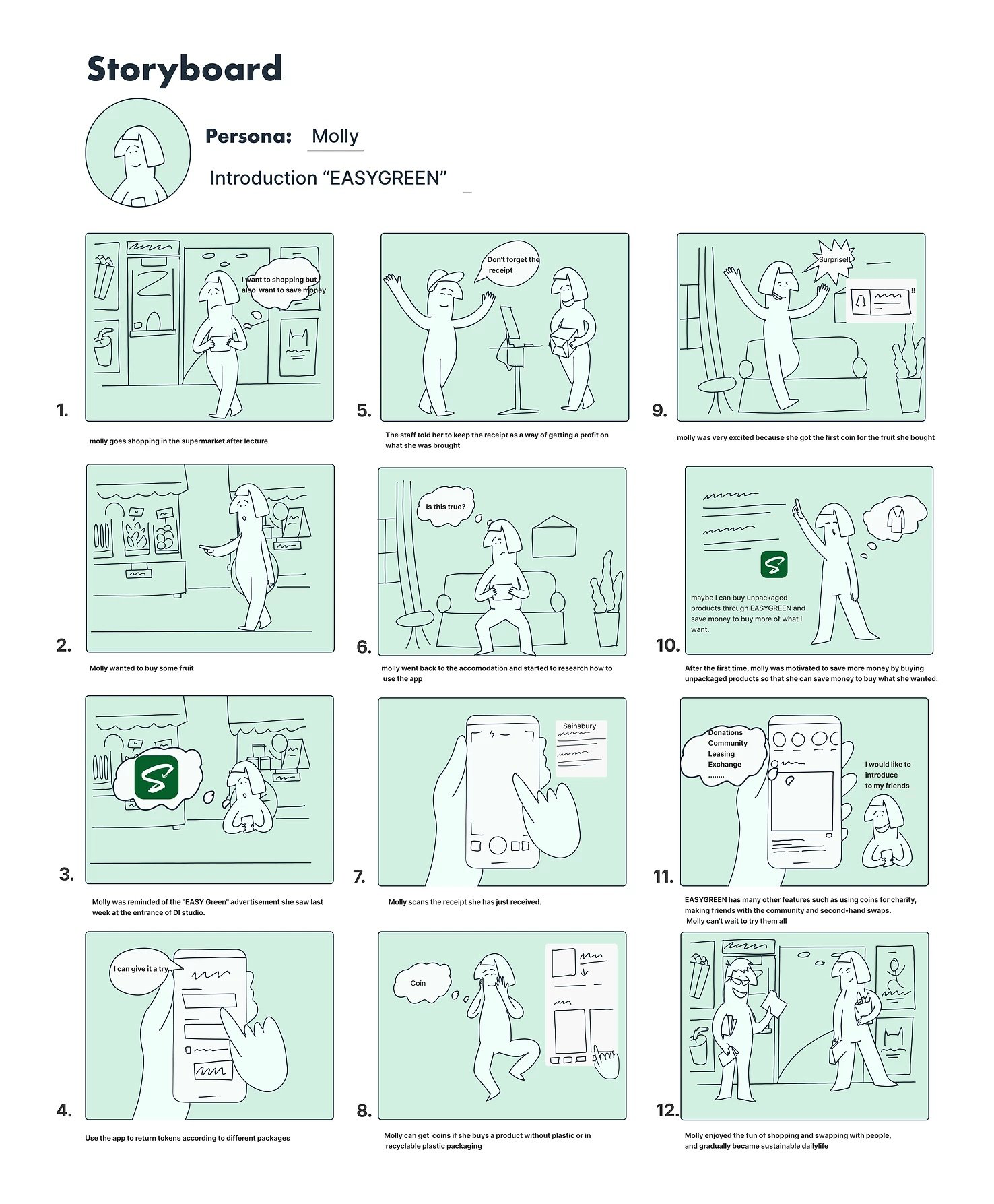
A storyboard follows Molly's journey with EasyGreen — how it shapes her shopping choices, rewards sustainable purchases, and gradually fosters a more environmentally conscious lifestyle.
EasyGreen isn't just an app; it's a nudge toward sustainable living — meeting users where they are (convenience and cost) while promoting positive environmental change.
Reflections
EasyGreen pushed me to think beyond traditional design boundaries and consider the broader impact of design on society and the environment. Balancing user needs with sustainability goals was a unique challenge — and an immensely rewarding one.